
Arizona homeowners know the struggle of keeping a house cool when the summer sun turns every surface into a heat source. Air conditioning often runs for hours just to maintain comfort, and energy bills climb higher every year. Many people think upgrading windows is the best way to improve efficiency, but doors play just as big a role. A poorly sealed or outdated door can leak conditioned air, let in radiant heat, and make your AC system work much harder than it should.
So, do energy-efficient doors really lower cooling costs? The answer is yes—when they are properly designed, installed, and sealed, they can make a noticeable difference in both comfort and monthly utility expenses.
Below, we’ll look at what makes a door energy-efficient, the types that perform best in Arizona’s climate, how they help reduce cooling costs, and why professional installation is the key to lasting results.
What Makes a Door Energy-Efficient?
An energy-efficient door is more than just a thick slab of material. It is a system built to resist heat transfer and air leakage. The most effective designs combine insulation, advanced glazing, and durable seals to keep conditioned air inside where it belongs.
Here are the main features that make a difference:
- Insulated cores: Most high-efficiency entry doors use polyurethane or polystyrene foam inside the panel. This insulation reduces heat flow between the hot exterior and cooler interior.
- Thermal breaks: Metal doors often include a break in the frame that separates inside and outside layers. This gap prevents the metal from conducting heat directly into the home.
- Low-E glass: For patio and sliding doors, low-emissivity glass coatings reflect infrared light, blocking solar heat before it enters the home. Many also have argon gas sealed between panes to further reduce heat transfer.
- Tight weatherstripping: Flexible seals around the edges stop hot drafts and prevent cool air from escaping. When installed correctly, you should not feel any airflow around the frame even on windy days.
- ENERGY STAR certification: This label indicates that a door meets the U.S. Department of Energy’s performance standards. Certified doors are tested for insulation value (U-factor) and solar heat gain coefficient (SHGC).
In short, an energy-efficient door creates a barrier between the desert heat and your indoor climate, reducing how much your air conditioner must compensate for temperature changes.
Types of Energy-Efficient Doors for Arizona Homes
Different materials and designs perform better depending on the location and style of your home. In Arizona, where extreme heat, sun exposure, and dust are everyday factors, these are the most practical options.
Fiberglass Doors
Fiberglass is one of the top materials for energy performance in hot, dry regions. It can be molded to resemble wood grain while offering better durability and insulation. Foam cores prevent heat transfer, and fiberglass resists warping or cracking even in direct sunlight. Maintenance is simple—paint or stain once every several years and wipe clean as needed.
Steel Doors
Insulated steel doors are extremely strong and secure. They often have a polyurethane foam core that provides good thermal resistance. However, if a steel door is not properly insulated or finished, the metal can absorb and radiate heat, making it less efficient in intense sun exposure. For front entries shaded by a porch or overhang, steel can be an excellent choice.
Vinyl and Composite Doors
Vinyl doors, especially sliding or patio styles, are built with multi-chambered frames that trap air for insulation. They are lightweight, resistant to moisture, and compatible with Low-E glass panels. Composite materials that blend wood fibers with plastic offer similar energy efficiency with additional strength.
French and Sliding Glass Doors
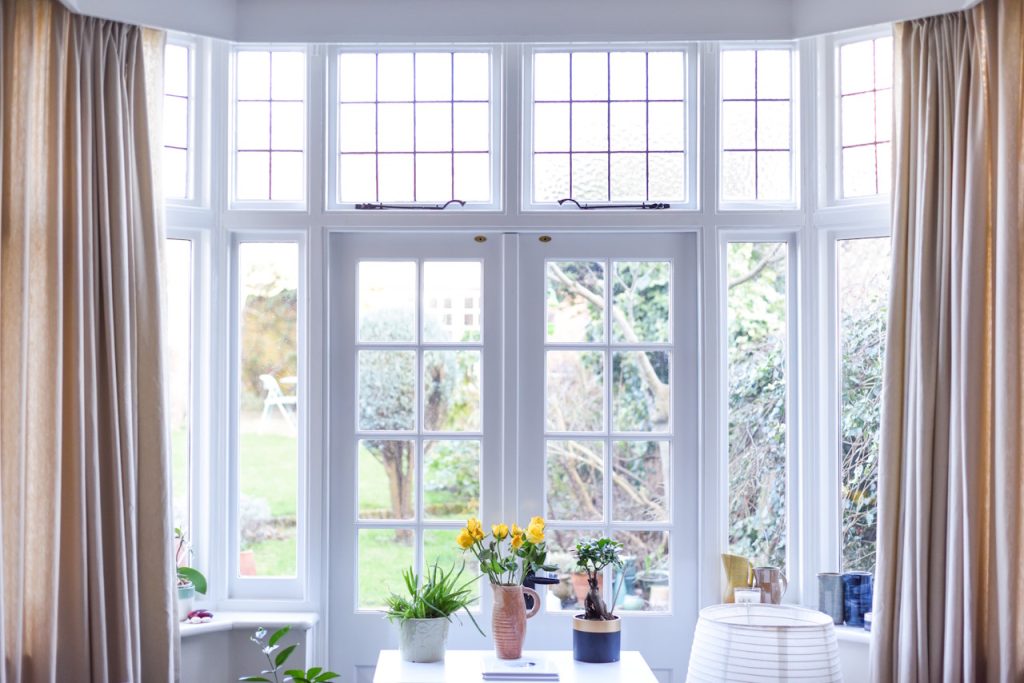
Large glass doors can still be energy-efficient when built with double-pane Low-E glass and argon gas fills. These features block UV and infrared rays while allowing visible light inside, so you get brightness without the heat. For Arizona homes, this means enjoying natural light without making your living room feel like a greenhouse.
Every door style can be engineered for efficiency when chosen carefully and installed by professionals who know how to seal gaps and align frames correctly.
How Energy-Efficient Doors Reduce Cooling Costs
In a desert climate, heat transfer works against your cooling system around the clock. Energy-efficient doors combat this process in several ways:
- Minimizing conduction: Insulated materials prevent outdoor heat from moving through the door surface.
- Reducing air leaks: Proper weatherstripping blocks the escape of cool, conditioned air.
- Reflecting solar radiation: Low-E glass and light-colored finishes reflect sunlight rather than absorbing it.
Even a small gap or thin material can allow significant energy loss. According to the Department of Energy, air leaks around doors and windows can account for up to 30 percent of heating and cooling energy use in the average home. When those leaks are sealed and insulated, your air conditioner runs shorter cycles, uses less power, and experiences less wear over time.
Homeowners in the Phoenix and Mesa areas often report noticeable differences after replacing older doors. Indoor temperatures remain steadier, rooms near exterior walls feel more comfortable, and monthly bills drop. The savings depend on your home’s size and system efficiency, but even modest improvements add up throughout Arizona’s long cooling season.
Rebates, Tax Credits, and Real Savings
Energy-efficient door replacements not only reduce bills but may also qualify for financial incentives. Under the federal Energy Efficient Home Improvement Credit, homeowners can receive 30 percent of the project cost (up to $500 for doors) through 2032. The door must meet ENERGY STAR standards, and the installation must be performed by a qualified contractor.
In addition, SRP offers rebates up to $3 per square foot for qualifying ENERGY STAR window and door upgrades. These incentives encourage homeowners to make energy-saving improvements that benefit both their comfort and the local grid.
When combined, tax credits and rebates can offset a large portion of the initial cost, making an upgrade surprisingly affordable. Many Arizona homeowners see a return on investment within a few years through lower energy bills and improved home value.
To take advantage of these programs, keep documentation from your installer and product manufacturer, including ENERGY STAR certification numbers.
Why Professional Installation Matters
Even the most advanced door cannot perform as intended without proper installation. Gaps, misalignment, or uneven seals allow air leaks that defeat the purpose of an energy-efficient design.
A professional team ensures:
- Correct frame alignment to prevent warping or sticking.
- Complete foam sealing and flashing around the frame for airtight fit.
- Smooth operation of hinges, locks, and tracks.
- Caulking and weatherstripping that stand up to Arizona’s dry heat and dust.
Lumberjack Windows & Doors trains its crews to handle every step carefully. They treat each project as a full system upgrade, replacing frames when needed, patching stucco, and sealing the surrounding area to create a continuous energy barrier. After installation, a final walkthrough and inspection confirm that everything looks clean, tight, and functional.
Choosing professional installation also protects your warranty coverage and ensures the door meets local energy-efficiency standards.
How to Maintain Your Energy-Efficient Doors
Maintenance plays a big role in preserving long-term performance. Fortunately, energy-efficient doors require very little upkeep beyond regular cleaning and inspections.
- Inspect weatherstripping annually: Look for cracks, tears, or flattened areas that may allow air leakage. Replace damaged sections promptly.
- Re-caulk perimeter joints: Check the edges where the door frame meets stucco or siding. Re-seal any gaps caused by shifting or drying over time.
- Clean glass and frames: Use a soft cloth and mild soap to remove dust, avoiding harsh chemicals that could damage Low-E coatings.
- Lubricate hinges and locks: This keeps hardware operating smoothly and ensures tight closure.
- Repaint or reseal surfaces as needed: Fiberglass and steel doors benefit from a fresh coat of UV-resistant paint every few years to maintain appearance and protection.
Routine maintenance prevents performance loss and keeps your home sealed tightly against heat and dust.
Other Upgrades That Enhance Cooling Efficiency
While energy-efficient doors provide immediate benefits, combining them with other upgrades creates an even stronger barrier against Arizona heat.
- Energy-efficient windows: Pair new doors with Low-E, argon-filled windows to maximize insulation across your home’s envelope.
- Stucco sealing and painting: Repairing cracks and applying UV-resistant coatings prevents heat infiltration through exterior walls.
- Reflective or light-colored paint: Reduces solar absorption and keeps wall surfaces cooler.
- Weather-sealed thresholds and trim: Close small gaps around the base of doors and window frames.
Lumberjack Windows & Doors offers all of these services under one roof, which means the team can evaluate your entire exterior and recommend solutions that complement each other. When your doors, windows, and finishes work together, your HVAC system runs more efficiently and your home stays consistently comfortable.
Final Thoughts: Are Energy-Efficient Doors Worth It?
For Arizona homeowners facing triple-digit summers, energy-efficient doors are one of the smartest upgrades you can make. They keep out radiant heat, eliminate drafts, and support your cooling system’s performance. Over time, they lower monthly bills, increase comfort, and add value to your property.
With available rebates, tax credits, and professional installation, the investment pays for itself faster than many expect. More importantly, an efficient door system means your home stays comfortable even during the hottest months of the year.
If your current doors feel hot to the touch, let in light through gaps, or make nearby rooms warmer than the rest of the house, it may be time for an upgrade.
Schedule a free in-home estimate with Lumberjack Windows & Doors to explore energy-efficient door styles that fit your budget, boost comfort, and help cut cooling costs year-round.